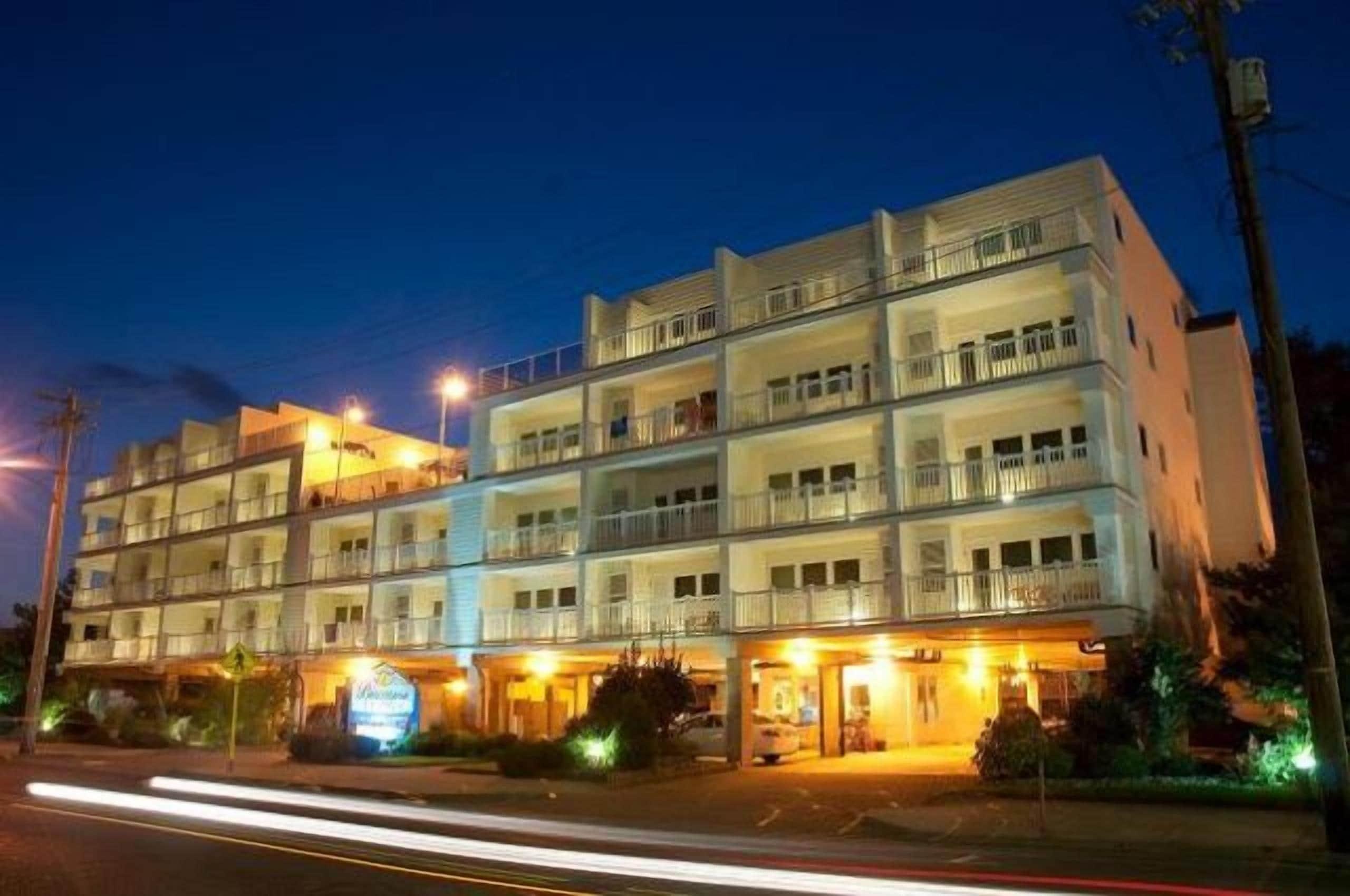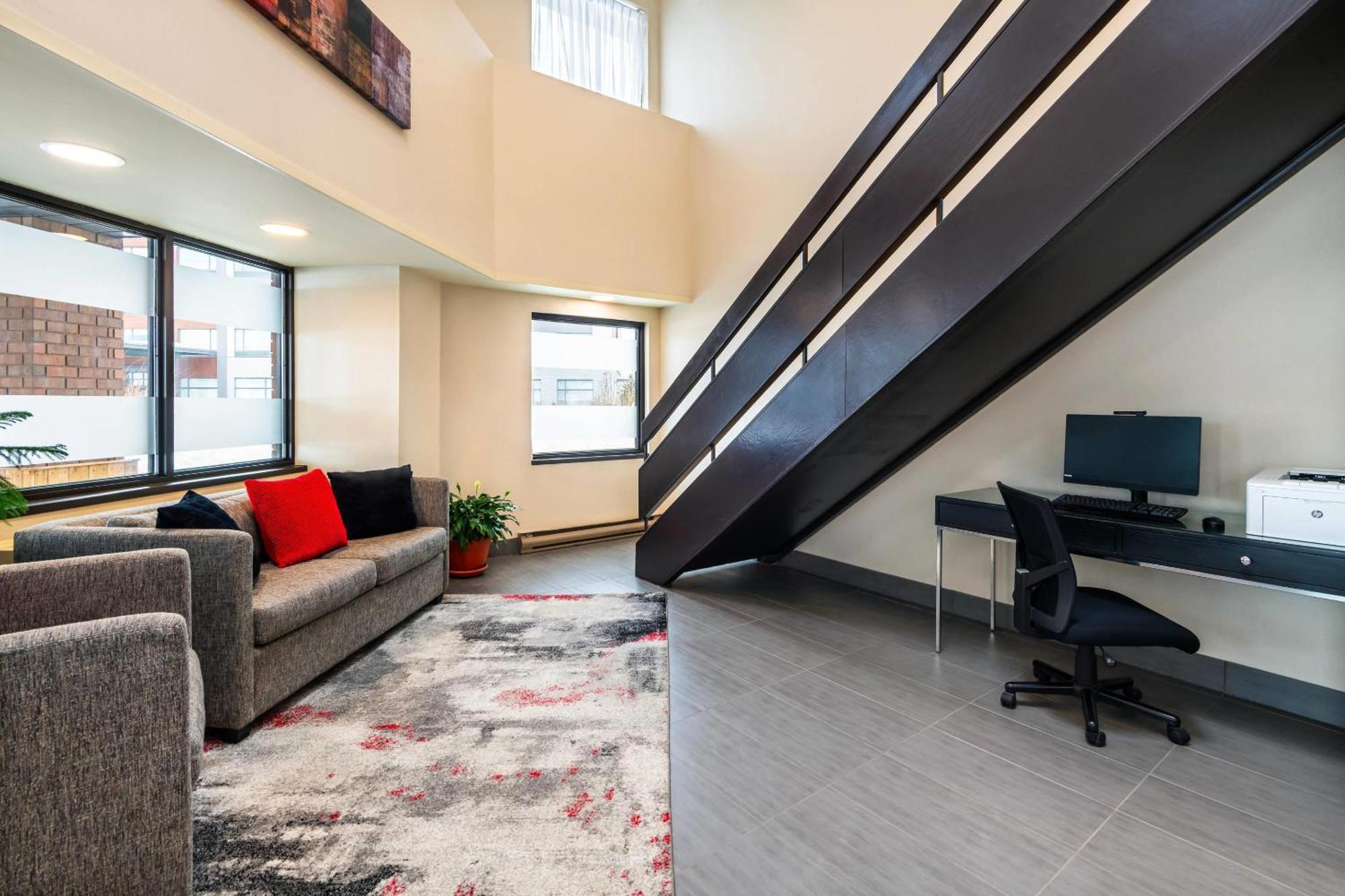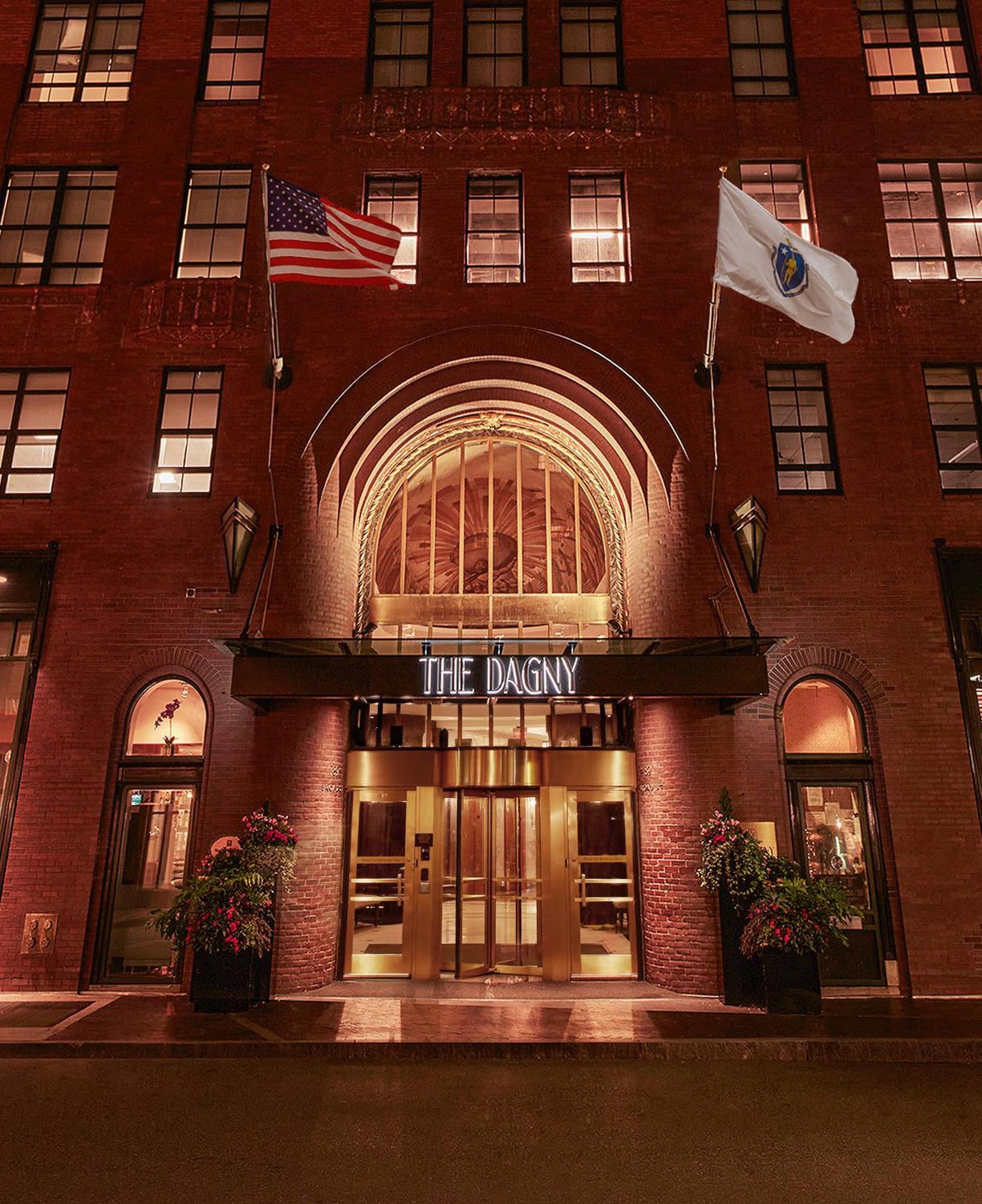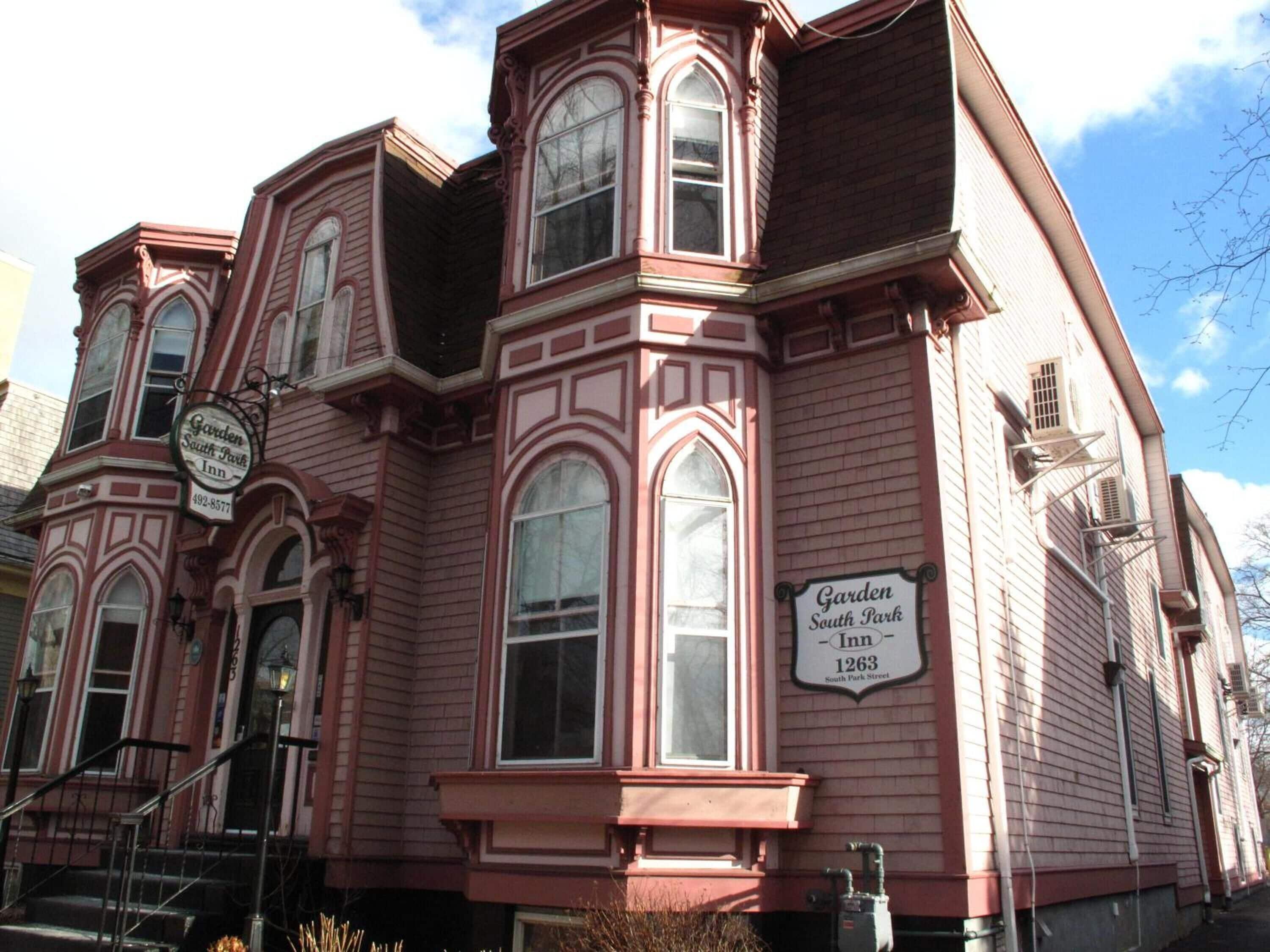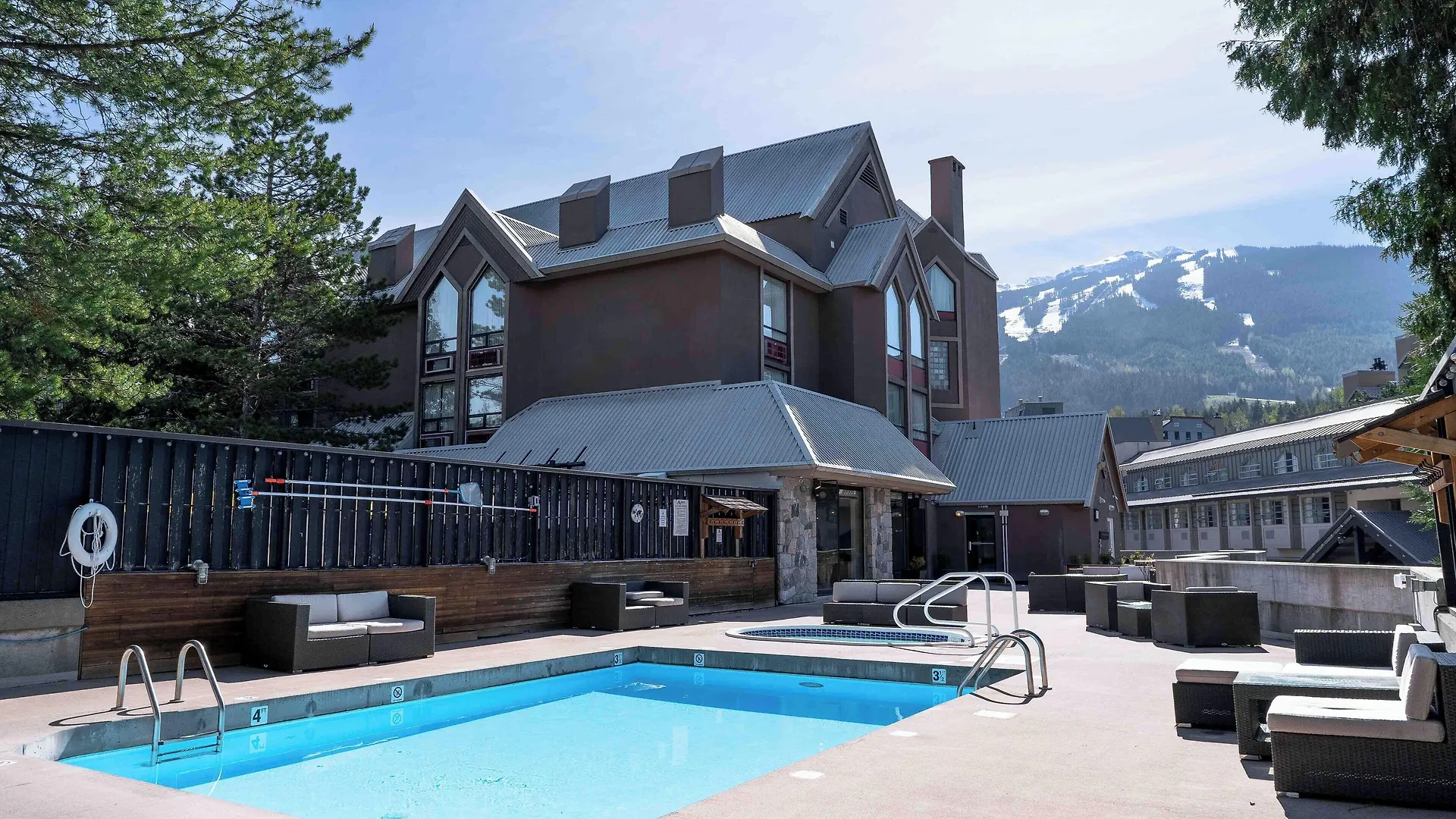
Finding a centrally located hotel near Whistler Blackcomb means navigating the gap between gondola access, après-ski noise levels, and the kind of village walkability that saves you real time every single day on the mountain. These two boutique properties sit within Whistler Village - one at its beating heart, one a short 10-minute walk away on the quieter edge - and both give you ski storage, year-round heated pools, and direct access to the pedestrian-only village without needing a car or shuttle.
What It's Like Staying Near Whistler Blackcomb
Whistler Village is a purpose-built, car-free resort core sitting directly at the base of both Whistler and Blackcomb mountains - meaning every hotel in the village is, by design, within walking distance of the gondola base stations. The Blackcomb Excalibur Gondola departs from the southern edge of the village, while the Whistler Village Gondola loads just steps from the Village Stroll. The pedestrian-only layout removes the friction most mountain resorts create with shuttle buses and parking lots. Evening foot traffic along Village Stroll and Skiers Plaza stays active until midnight or later during peak ski season, so anyone expecting a quiet alpine retreat should know the trade-off: proximity to the gondola means proximity to the crowd.
Pros:
- * Gondola base access on foot - no shuttles, no timed departures, walk out and ski
- * Over 90 restaurants, bars, and après venues within the pedestrian village core
- * All major services - ski rental shops, equipment tuning, grocery at Whistler Marketplace - reachable without a car
Cons:
- * Village Stroll and Skiers Plaza generate substantial noise past 10pm, especially on weekends and holidays
- * Central village rooms at any property command a premium over equivalent rooms further out in areas like Creekside or Nicklaus North
- * Limited parking infrastructure means drivers pay extra for garage access or valet
Why Choose Central Hotels Near Whistler Blackcomb
Central boutique hotels in Whistler Village occupy a specific niche: smaller room counts (typically under 100 units) that allow more direct service, combined with positioning inside the pedestrian core that removes every logistical barrier between you and the mountain. Unlike large resort hotels that manage hundreds of rooms and ski valet queues that form at 8am, boutique properties in the village handle ski storage and equipment logistics at a more manageable scale. Suite-style configurations with kitchenettes are common in this category, which cuts the cost of eating out for every meal - a real factor in Whistler where a sit-down dinner for two easily runs above $100 CAD. The trade-off is space: boutique rooms in the village core run smaller than equivalent-priced units in Upper Village or further out, and soundproofing is inconsistent across properties given the density of the built environment.
Pros:
- * Kitchenettes in suite-configured rooms reduce per-day food costs significantly in one of Canada's most expensive resort towns
- * Smaller room counts mean more responsive front desk service and faster ski storage retrieval
- * Village-central position cuts the morning walk to the gondola base to under 10 minutes for all properties
Cons:
- * Room footprints tend to be smaller than comparable price points at Fairmont or Four Seasons in Upper Village
- * Noise is a real variable - village-facing rooms at any central property will register street and bar noise on busy nights
- * On-site dining options are limited compared to large resort hotels with multiple food and beverage outlets
Practical Booking & Area Strategy
The two main positioning axes in Whistler Village are the Village Stroll (the central pedestrian artery running from the conference centre toward Skiers Plaza) and Blackcomb Way (which connects the village to the Upper Village and Blackcomb base). Hotels on or immediately adjacent to Village Stroll offer the shortest walk to the Whistler Village Gondola - under 5 minutes - while properties one or two blocks toward the BMX Park and Lorimer Road sit in a noticeably quieter zone and still reach the Blackcomb Excalibur Gondola within 10 minutes on foot. Beyond the gondolas, the village gives you foot access to Lost Lake Park trails, the Audain Art Museum, and Squamish Lil'wat Cultural Centre. For ski season bookings, targeting arrival by early January rather than the Christmas-New Year window cuts nightly rates by around 30% while snow conditions are often comparable. The WAVE public transit system connects Whistler Village to Creekside, Function Junction, and points north at no cost for transit pass holders, so guests who book slightly peripheral properties aren't fully car-dependent. Book at least 8 weeks ahead for any February or March stay - those months combine reliable snowpack with school-break demand and consistently push village properties to full occupancy.
Best Value Stay
For travelers who want genuine village walkability without committing to the top of the rate card, this property offers the most competitive entry point with a central location and a suite-style room configuration that stretches the per-night cost further than a standard hotel room would.
-
1. Summit Lodge Boutique Hotel By Paradox
Show on map


 Check-infrom 16:00 until 23:59Check-outuntil 11:00
Just a few rooms left at the best rate!
fromC$ 177
Best Premium Stay
For travelers who want to be at the absolute centre of Whistler Village - steps from the Whistler Conference Centre, 5 minutes on foot to the Blackcomb Excalibur Gondola, and within immediate reach of every bar and restaurant on Village Stroll - this property is the highest-engagement option of the two.
-
2. Adara Hotel
Show on map


 Check-infrom 16:00 until 22:30Check-outfrom 06:00 until 11:00
Hurry – almost gone at this price!
fromC$ 126
Smart Travel & Timing Advice for Whistler Blackcomb
Whistler Blackcomb's ski season runs from late November through late April, but the strategic booking windows are narrower than most visitors assume. The Christmas and New Year block (roughly December 26 to January 3) and Spring Break (mid-March) are the two hardest periods to book central village properties - both see occupancy above 95% and rates that reflect it. January is statistically the most reliable month for snow depth combined with lower pricing and shorter gondola queues, making it the strongest value window for central hotel stays. Summer (July and August) brings mountain biking on the Whistler Mountain Bike Park, the Crankworx festival, and hiking access via the gondola - central village hotels fill quickly in late July during Crankworx, and that period rivals February for demand. For most travellers planning a ski trip, a 4-night minimum stay justifies the central village premium: it amortizes the cost of daily ski storage, equipment logistics, and après access across enough days to make the location friction-free. Book 8 weeks out for any February or March dates, and consider arrival on a Tuesday or Wednesday to secure better nightly rates than weekend check-in windows carry.